


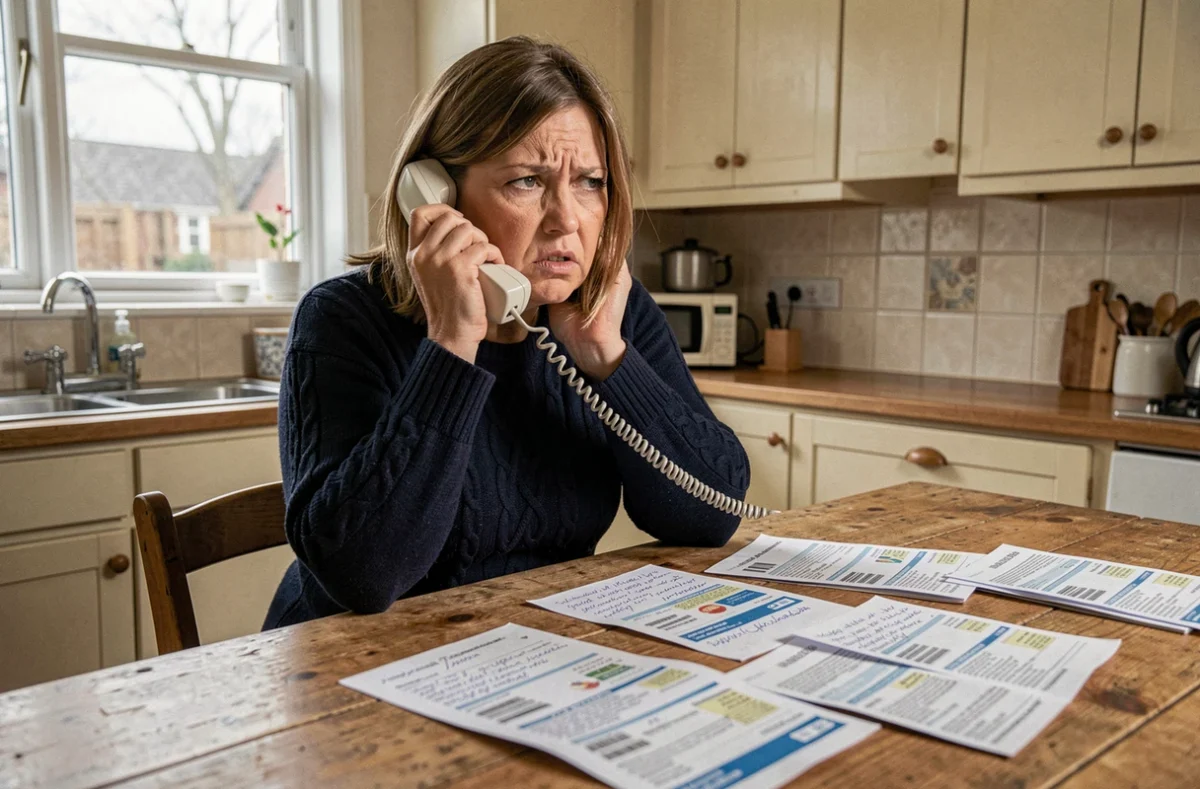
Not every energy complaint reaches the Energy Ombudsman. Ofgem’s biennial review of the 2023-25 period confirmed the service met 93 of 94 assessment criteria, and domestic disputes were resolved in an average of 25 days from receipt of a complete complaint file. All sampled cases were decided within 90 days. Those figures describe a system that works once a consumer gets through the door, but they say nothing about who never arrives.
Energy Ombudsman complaint data: resolution speed and access gaps
| Metric | Finding (Ofgem 2023-25 review) |
|---|---|
| Assessment criteria met | 93 out of 94 |
| Average resolution time (domestic disputes) | 25 days from complete complaint file |
| Maximum case duration (sampled cases) | Within 90 days of complete file |
| Criteria requiring follow-up | 1 |
| Additional support for complex needs | Available during complaint registration |
The timing detail matters. Resolution is measured from the date the Ombudsman holds a complete complaint file, not from the moment a consumer first makes contact. Gathering documents, articulating the dispute clearly, and navigating the online form all sit before the clock starts.
See also: Broadband switching: how One Touch Switch works in the UK
Parliamentary evidence heard alongside this review noted that billing remained a leading complaint issue, while overall complaint levels had been on a downward trajectory. A falling complaint count could signal improved supplier behaviour, or it could reflect consumers dropping out before escalation. Both readings are consistent with the data.

You may also like: UK car servicing: choosing between a dealership and an independent garage
Who does not reach the Energy Ombudsman dispute process
The standard route to the Ombudsman requires a consumer to complain to their energy supplier first, then wait up to eight weeks for a final response (or receive a deadlock letter sooner). Only after that does the Ombudsman accept the case, and the consumer must act within 12 months of the supplier’s decision.
Each stage assumes the consumer can identify the right channel, compose a written complaint, track correspondence, and follow up. For households facing financial hardship, limited digital access, or language barriers, any one of those steps can become a wall.
- Consumers without reliable internet access may struggle to use the Ombudsman’s online registration form, which is the primary intake method. Phone and postal routes exist, but they are less prominently signposted.
- Households in fuel poverty are often managing multiple debts simultaneously, which can make the administrative burden of a formal dispute feel secondary to keeping the lights on.
- People with complex needs (such as mental health conditions, learning difficulties, or limited English) may not recognise that an unresolved billing error qualifies as a complaint at all, let alone know the eight-week escalation rule.
Ofgem’s review noted that consumers with complex needs could receive additional support during complaint registration. That provision only helps those who reach the registration stage. The gap sits earlier, before escalation begins.
Energy supplier complaint rules: what may change
The familiar eight-week waiting period and the broader complaint-handling framework are under active review. Ofgem has consulted on changes to redress provision in the supply and energy intermediary sectors. These remain proposals in a consultation, not rules consumers should assume are already in force.
One change that has taken effect: since 19 December 2024, the Energy Ombudsman can handle disputes involving energy brokers and certain third-party intermediaries, not only suppliers. This matters for microbusinesses and small businesses whose complaint may concern the broker that arranged their contract rather than the supplier delivering the energy.
If the consultation leads to a shorter escalation window or mandatory earlier signposting of the Ombudsman by suppliers, consumers who currently drop out during the waiting period could gain a faster path. No timeline for implementation has been confirmed.
Billing disputes and the complete-file requirement
Billing is the single most common category of energy complaint reaching the Ombudsman. A billing dispute often involves meter readings, estimated charges, back-billing, or credit balances after switching supplier.
The Ombudsman can require a supplier to re-examine the complaint, uphold the supplier’s original decision, or direct the supplier to pay financial compensation. The range of possible outcomes is broad, but the consumer must supply documentation: account numbers, copies of bills, records of previous correspondence, and meter evidence where relevant.
For a consumer already overwhelmed by an incorrect bill of several hundred pounds, assembling that file can be the point at which the process stalls. Citizens Advice bureaux and local advice services can help compile documentation, though availability of face-to-face advice varies considerably by area.
Energy complaint escalation: steps before the Ombudsman
Before considering the Ombudsman, the complaint must go through the supplier’s own process. Most suppliers operate a two-stage internal complaints procedure.
- Contact the supplier directly by phone, email, or through their website. Keep a written record of the date, the person spoken to, and what was agreed or refused.
- If the initial response is unsatisfactory, ask for the complaint to be escalated to a senior complaints handler or a dedicated resolution team.
- If eight weeks pass without a final answer, or the supplier issues a deadlock letter before that, the complaint becomes eligible for the Energy Ombudsman.
- Register the dispute with the Ombudsman online, by phone, or by post. Include all correspondence and supporting documents from the outset to avoid delays in building the complete file.
Ofgem does not investigate individual disputes directly. Its role is to monitor suppliers’ compliance with licence conditions and to take enforcement action where patterns of poor service emerge. Reporting a problem to Ofgem can contribute to that monitoring, but it will not resolve a personal billing dispute.
Getting help if the process feels inaccessible
The Energy Ombudsman’s website offers accessibility options including braille and translation services. Citizens Advice provides guidance on complaint drafting and can explain eligibility. For consumers in England or Wales, the Citizens Advice consumer helpline is a starting point. In Scotland, Advice Direct Scotland offers a parallel service.
None of these routes remove the underlying requirement: the consumer must first engage with the supplier, then with the Ombudsman, and provide documentation at each stage. Simplifying complaint handling is the subject of ongoing regulatory review, but for now, the burden sits with the individual household. The consumers most likely to benefit from the Ombudsman’s intervention are, by the structure of the process, often those least equipped to reach it.




