



A lasting power of attorney involves more than signing forms and registering with the Office of the Public Guardian. Between losing mental capacity and actually having practical support in place, a significant gap remains.
Registration currently takes 8 to 10 weeks, and even a registered LPA does not grant instant access to bank accounts or care decisions. This article measures that gap and what it costs when people act too late.
Further reading: Probate in England and Wales: common delays and how to avoid them
The gap between registration and real-world access to finances
Once the OPG returns a registered property and financial affairs LPA, the attorney faces a second layer of administration. Each bank or building society requires the original or a certified copy, identity verification for the attorney, proof of address and, in many cases, its own internal paperwork.
Three accounts with three different providers means three separate verification processes running on three different timelines. During those weeks, direct debits, mortgage payments and care home fees can go unpaid, despite a valid, registered LPA sitting in a drawer.
Related reading: Divorce and financial settlements in England and Wales
- The OPG registration process itself takes 8 to 10 weeks from submission to completion
- Banks and building societies require separate verification before granting account access, which can add further weeks
- A health and welfare LPA only becomes usable once the donor actually lacks capacity, so it cannot be tested in advance with care providers
A registered LPA does not equal immediate financial control. Someone who registers the moment a diagnosis arrives may still wait months before an attorney can pay a single bill on their behalf.
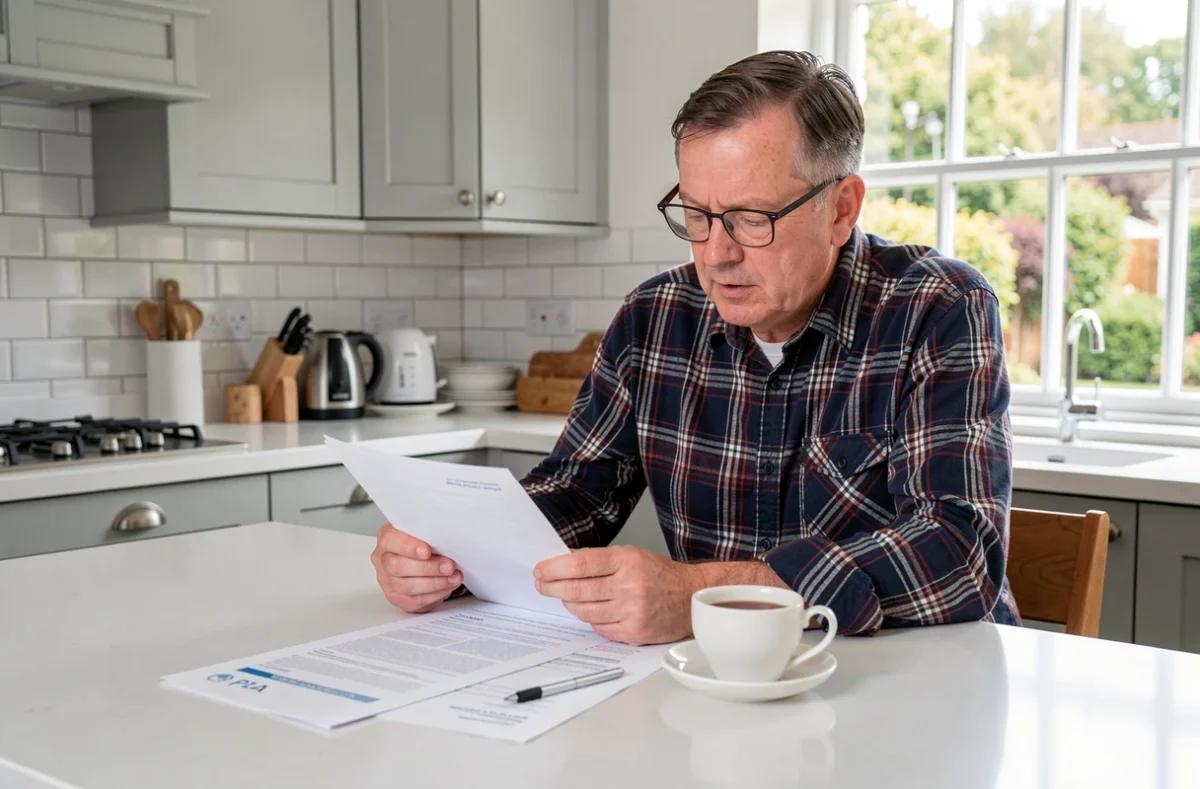
LPA registration cost versus Court of Protection deputyship fees
| Factor | LPA (registered in advance) | Court of Protection deputyship |
|---|---|---|
| Application fee | £92 per LPA type | £400 application fee |
| Ongoing supervision fee | None | Annual supervision fee charged by the OPG |
| Typical processing time | 8 to 10 weeks | Several months |
| Who decides | The donor chooses attorneys while they have capacity | The court appoints a deputy |
| Flexibility | Donor can set preferences and instructions | Deputy must follow court orders and report annually |
The standard LPA registration fee rose to £92 in November 2025, up from £82, following the Court and Public Guardian Fees (Miscellaneous Amendments) Order 2025. A repeat-application fee sits at £46. When no LPA exists and the donor has already lost capacity, the only route is a deputyship application through the Court of Protection at £400.
Fees tell part of the story. The time difference matters more in a crisis. A deputyship application lodged after capacity is lost leaves the family without legal authority to act for an extended period, precisely when urgent decisions about care and finances pile up.
Property and financial affairs LPA: why early registration changes the equation
A property and financial affairs LPA can be activated before the donor loses capacity. Once registered, the donor may authorise attorneys to act straight away, or restrict them to stepping in only upon loss of capacity.
Early registration does not signal illness. It means the legal infrastructure already exists. The donor retains full control and can revoke the LPA at any time while they have capacity.
For someone in their sixties with no health concerns, registering now produces three concrete advantages:
- If capacity is lost suddenly (stroke, accident, rapid-onset dementia), attorneys can begin the bank verification process immediately rather than waiting 8 to 10 weeks for OPG registration first
- If the donor later needs practical help managing finances due to physical frailty rather than mental incapacity, the LPA already permits this
- The three-week objection window (during which notified parties can raise concerns about capacity, fraud or undue pressure with the OPG) has already passed, removing another source of delay
Registering early eliminates the longest single delay in the process. The remaining steps (bank verification, care provider liaison) still take time, but they can begin the day capacity is lost rather than months afterwards.
Objection windows and the Mental Capacity Act 2005 framework
The Mental Capacity Act 2005 governs every LPA in England and Wales. When an LPA is submitted for registration, the OPG notifies people named in the document, who then have three weeks to raise an objection on specified grounds.
Those grounds include concerns that the donor lacked capacity when making the LPA, evidence of fraud or undue pressure, or belief that an attorney is acting against the donor’s best interests. If an objection is raised, the OPG may refer the matter to the Court of Protection, adding further delay.
An LPA registered years before any question of capacity arises passes through this window quietly. Families who attempt registration during a medical crisis, by contrast, face a different reality: relatives who disagree about care arrangements may lodge objections, stalling the process at the worst possible moment.
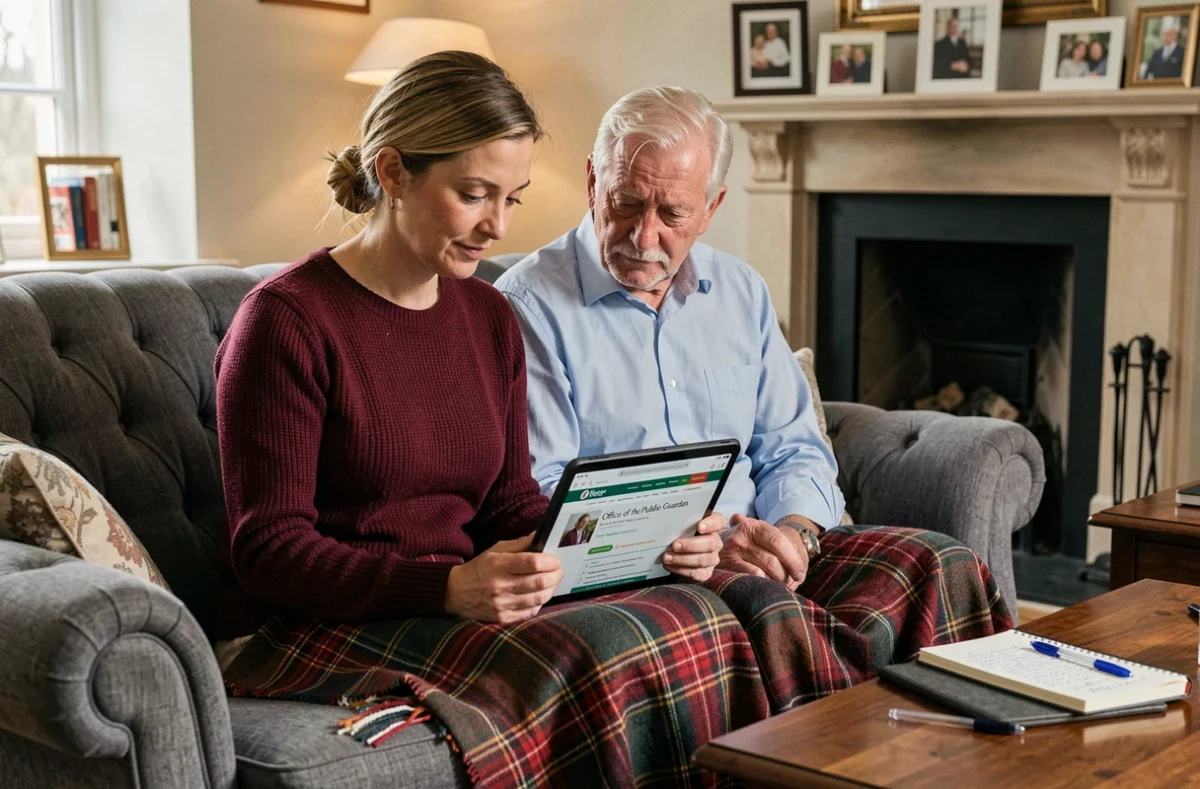
When timing the LPA registration matters most
Awareness of LPAs is not the problem. Delay is. People know they should set one up, then postpone because nothing feels urgent. Registration volumes suggest growing awareness, yet a significant share of those registrations happen after a diagnosis or hospital admission rather than before.
A property and financial affairs LPA registered at age 55, while the donor is healthy, sits quietly until needed. It costs £92 and roughly 10 weeks of processing time. The same protection sought after capacity is lost costs hundreds more, takes far longer and removes the donor’s ability to choose who manages their affairs.
The document itself is straightforward. What determines whether it works as intended is when it was filed. Filed before a crisis, it is a tool ready to activate. Filed after, the same legal need becomes a court application, with higher fees, annual supervision and compounding delays layered on top of an already difficult situation.




