


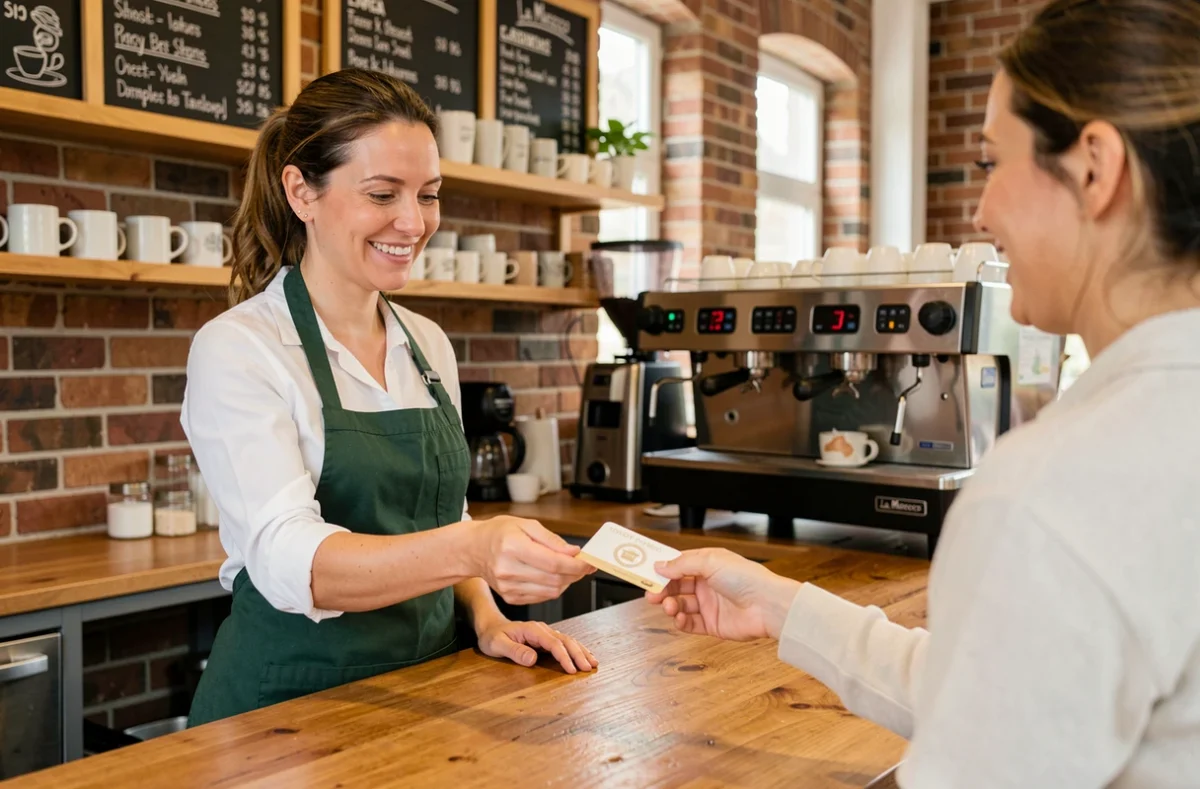
A neighbourhood café in south London runs a stamp card that gives every tenth coffee free. The owner knows most regulars would come in regardless, rain or shine. The free drink is a nice gesture, but after two years she still cannot say whether the scheme has brought in a single extra visit. That gap between rewarding loyalty and actually creating it is where most café programmes fall short.
Measuring whether a loyalty scheme generates extra visits
Coffee and restaurant loyalty is one of the most crowded sectors in the UK. Mando’s 2026 research draws a sharp line between programme membership and active engagement, examining participation by sector. Sign-up numbers on their own tell you very little.
You may also like: Black Friday marketing ideas for UK independent retailers
The practical test is straightforward: track redemption rates alongside visit frequency before and after enrolment. If a customer visited three times a week before joining and still visits three times a week after, the free coffee on visit ten is a subsidy, not an incentive.
A digital system makes this measurable. Paper stamp cards cannot distinguish a customer who shifted from a competitor to your counter from one who was already there every morning. With even a basic digital card, you can compare average visits per enrolled customer against a baseline period.
Read also: Accessible marketing content for UK audiences
- Set a baseline: record average weekly visits for new members during their first fortnight before any reward triggers.
- Compare post-reward behaviour: after the first redemption, check whether visit frequency rose, stayed flat, or dropped back.
- Segment by daypart: a customer who always comes at 8 a.m. but starts adding a 3 p.m. visit after a quiet-hours campaign is genuine incremental trade.
If the numbers show most redeemers were already daily visitors, the scheme needs restructuring, not more stamps.
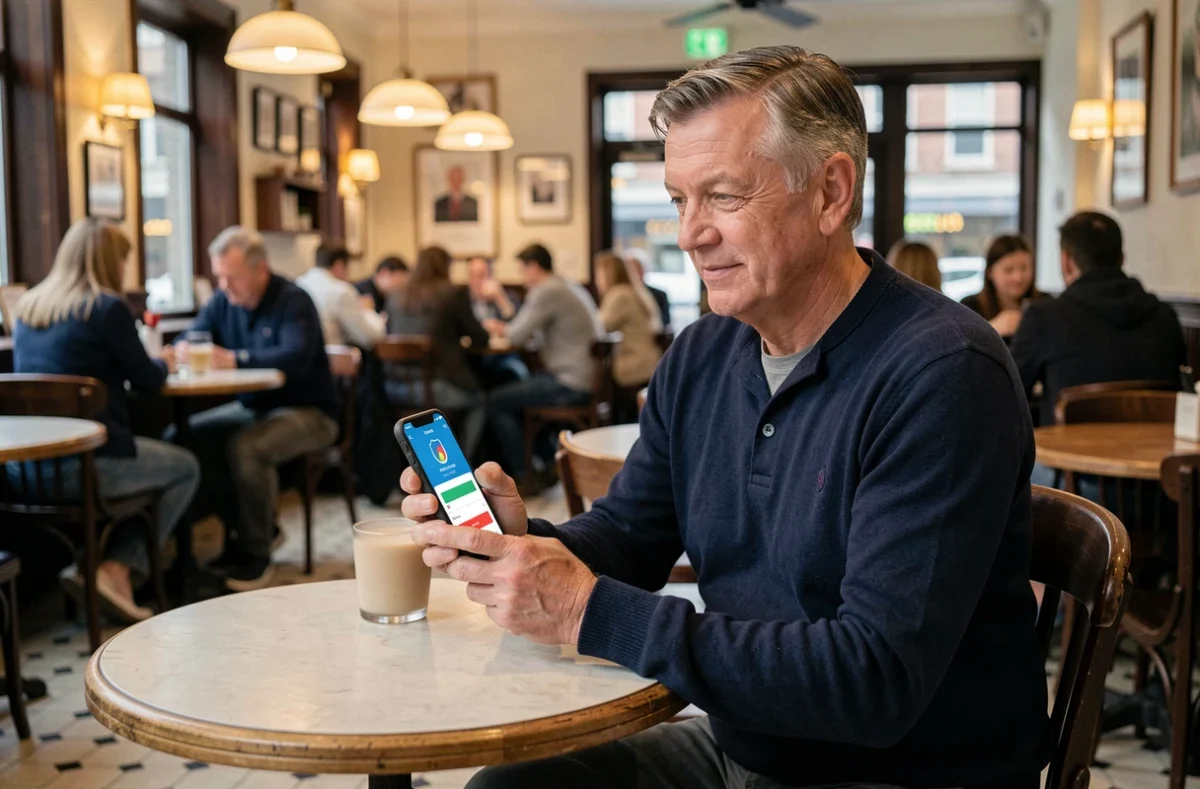
Loyalty scheme ideas that reward changed behaviour, not habit
The standard “buy nine, get one free” model rewards volume. It works for high-frequency products like coffee, but it rarely changes behaviour. Below are formats that tie the reward to something the customer was not already doing.
Quiet-hours bonus stamps
Most cafés have dead patches, typically mid-afternoon on weekdays. Offering double stamps or bonus points between 2 p.m. and 4 p.m. costs almost nothing in product terms and directly targets the gap in your trading day. The reward only fires when the customer does something they were not doing before.
Cross-category nudge
A customer who orders a flat white every day but never buys food is an opportunity. A scheme that grants a bonus stamp when a drink purchase includes a pastry or sandwich encourages a higher basket without discounting the core product. Rewarding a new purchase combination is more valuable than rewarding repetition.
Lapsed-customer reactivation
Digital tools can flag customers who haven’t visited for a set period, say two or three weeks. A targeted message with a small incentive (“Your next coffee earns triple stamps”) addresses exactly the people your scheme should be chasing: those drifting away, not those already through the door.
Bring-your-own-cup credit
This ties a loyalty benefit to a values-based action. It appeals to environmentally conscious customers and reduces your takeaway cup costs at the same time. The key is making the saving tangible: a visible stamp or point, not a vague “we care about the planet” message.
Digital stamp cards vs points-per-pound for UK cafés
Two models dominate the independent café space. Each suits a different trading pattern.
| Feature | Digital stamp card | Points per pound |
|---|---|---|
| Best for | Cafés with a narrow menu and consistent spend per visit | Restaurants or cafés with wide price ranges |
| Customer understanding | Instant: “four more stamps to a free coffee” | Requires mental arithmetic unless the app shows progress clearly |
| Incremental spend incentive | Weak (one stamp per visit regardless of basket) | Stronger (higher spend earns more points) |
| Setup complexity | Low | Moderate, needs calibration to avoid giving away margin |
A stamp card suits a coffee-focused operation; points-per-pound suits a café-restaurant with a broader menu. Mixing both in a single scheme confuses customers and staff alike.
PECR rules and subscription traps to watch
Loyalty schemes that collect email addresses or phone numbers fall under the ICO’s PECR guidance. When a customer joins, they should be told clearly what marketing messages to expect.
For joint schemes involving partner businesses, the scope of the scheme and any partner promotions must be explained at sign-up. A partner wishing to send marketing outside the scheme needs separate, clear consent. The soft opt-in applies only if customers have a straightforward way to opt out at sign-up and in every subsequent message.
Cafés considering a paid membership model (monthly coffee subscription, for instance) face an additional constraint. Forthcoming UK regulations under the DMCCA will cover automatically renewing consumer subscriptions, including those starting with a free trial or introductory price. The requirements include pre-contract information, renewal reminders, and a straightforward cancellation process. Any paid membership launching in 2026 or 2027 should be designed with these rules already built in, rather than retrofitted later.
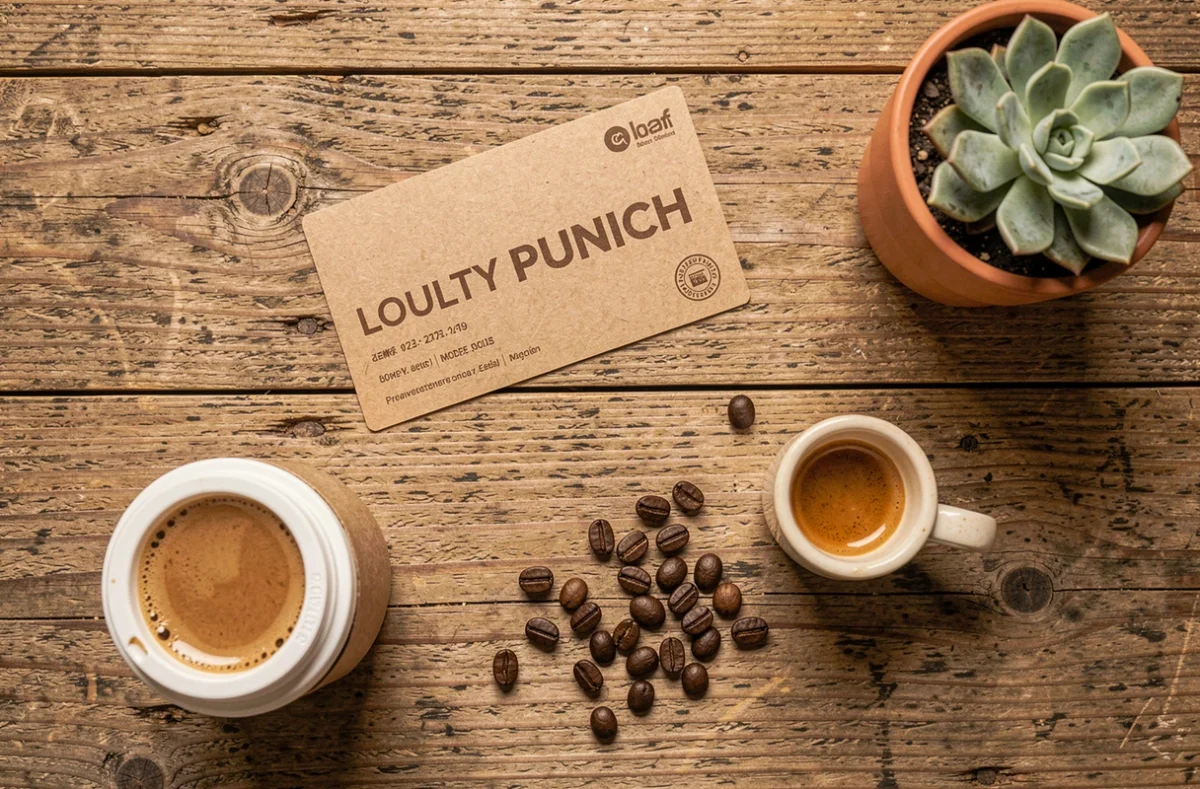
Running a loyalty scheme that staff actually use
A scheme that the morning-shift barista forgets to mention is a scheme that does not exist. The operational side matters as much as the design.
- Keep the mechanic to one sentence: “Tap your phone, earn a stamp, ten stamps gets a free drink.” If the explanation takes longer, simplify the scheme.
- Make redemption visible at the till: staff should see a customer’s progress without navigating sub-menus or asking questions.
- Brief new hires on the scheme in their first shift, not as an afterthought during week three.
- Review redemption data monthly. If fewer than a quarter of enrolled customers ever redeem, the reward is either too distant or the scheme is invisible at the counter.
The best-designed loyalty programme fails if the person handing over the coffee does not prompt it. A laminated reminder next to the till works better than a training manual no one reads.
A loyalty scheme that simply thanks existing regulars for showing up is a cost centre. One that shifts a midweek afternoon visit, adds a pastry to a coffee order, or pulls a lapsed customer back through the door is a margin tool. The difference sits entirely in what behaviour you choose to reward and whether you bother to check the numbers afterwards.




