

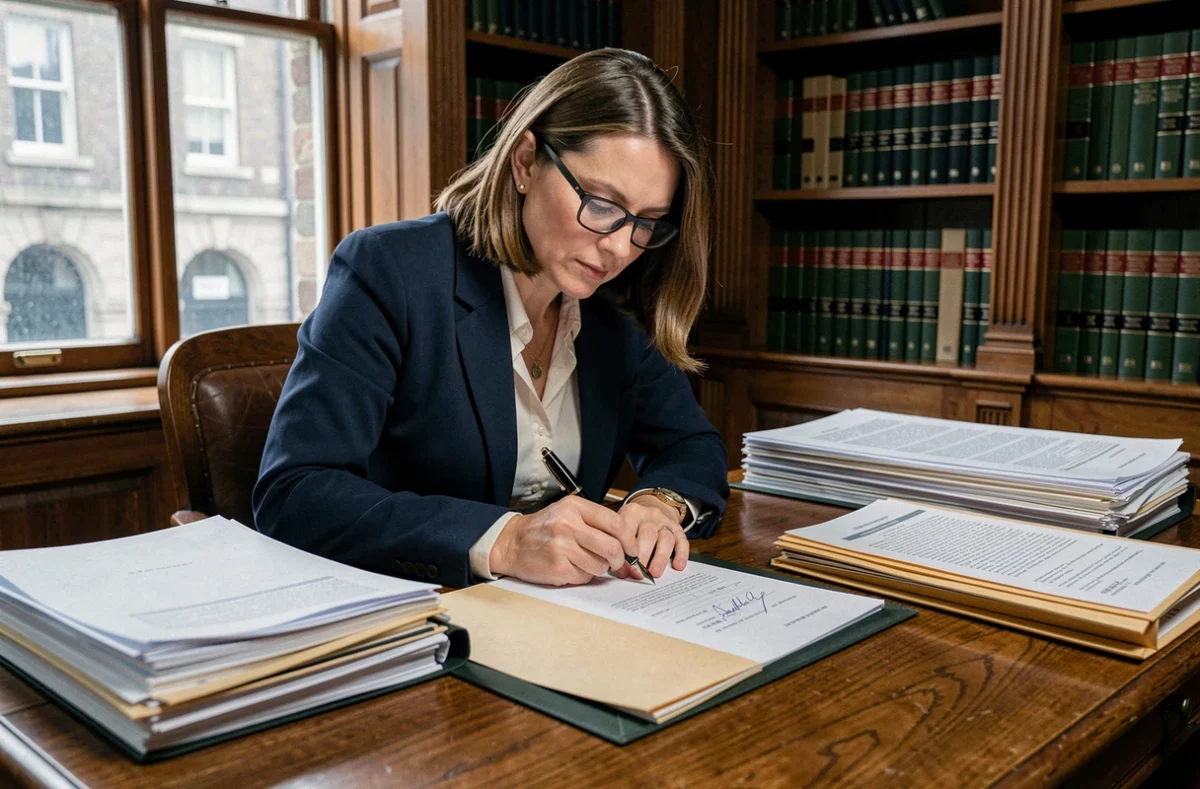
How long a probate application takes in England and Wales depends less on when it is submitted and more on what happens after the Probate Registry receives it. HMCTS management data from September 2026 shows that a digital application that is not stopped averages 1.5 weeks from submission to grant. A paper application that is not stopped averages 8.9 weeks.
The gap between these two figures is striking, yet the real delays sit elsewhere: in stopped applications, information requests, and caveats that can freeze an otherwise straightforward case for months.
Recommended read: Lasting power of attorney in England and Wales: when to set one up
Digital versus paper probate applications: processing times compared
| Application type | Average time to grant (not stopped) | Key risk |
|---|---|---|
| Digital | 1.5 weeks | Stopped by error or caveat |
| Paper | 8.9 weeks | Scanning and registration lag before processing begins |
These figures come from HMCTS management data for September 2026 and cover completed applications that were not stopped. Stopped cases took longer in both categories.
HMCTS also notes that paper-case figures are more liable to revision. Paper applications go through bulk scanning and registration on the case-management system before any substantive processing starts. That administrative lag inflates the headline figure and makes direct comparison with digital timelines less reliable than it appears.
See also: Divorce and financial settlements in England and Wales
A second nuance worth noting: the overall application-to-grant average and the post-document-upload average tell different stories. The gap between submission and document upload is itself a source of delay, separate from Registry processing. Executors who track only the total wait often blame the Registry for time they themselves lost gathering paperwork.
Stopped probate applications: the delay most executors overlook
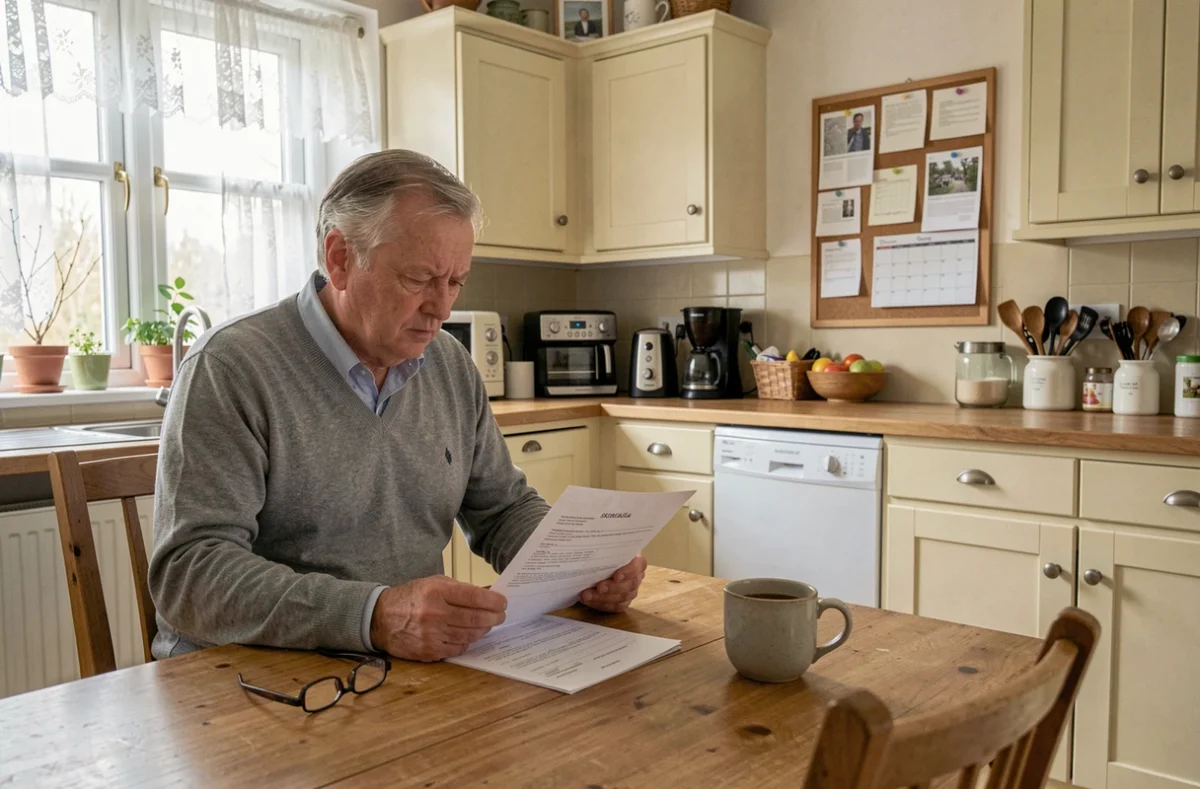
The Probate Registry “stops” an application when it needs further information or when a caveat has been entered. A stopped application can take more than double the administrative time to process compared with one that goes through on first attempt. HMCTS estimated it could increase the number of grants issued by over 50,000 each year if stopped applications were reduced among practitioner submissions alone.
The most common reasons an application is stopped fall into a short list:
- Supporting documents are missing at the point of submission, forcing the Registry to request them and wait for a reply.
- The application has been submitted too soon after the statutory waiting period or contains data-entry errors (name mismatches, incorrect estate values).
- A caveat has been lodged by a third party, which raises a dispute that must be resolved or withdrawn before the grant can issue.
What matters here is not the stop itself but the response time. A digital application may sit for weeks if the executor does not monitor correspondence from the Registry or does not know how to reply through the online portal. The delay is generated by the applicant’s reaction speed, not Registry processing.
Caveats and disputes as a blocking mechanism
A caveat prevents the Probate Registry from issuing a grant for an initial period, and it can be renewed. Where a family member or creditor enters a caveat, the application cannot progress until the caveat is removed by agreement, lapsed, or resolved through a warning and appearance procedure.
Executors who discover a caveat only after submission face the longest delays. Checking for existing caveats before submitting is a simple precaution that most guides skip, yet it can prevent the most disruptive type of stop.
Inheritance Tax clearance and HMRC: where weeks become months
Estates where Inheritance Tax is payable require an IHT account to be submitted to HMRC before a probate application can proceed. HMRC’s review and clearance of that account introduces a separate timeline that runs in parallel with, and often exceeds, the Registry’s own processing.
The Probate Registry advises a standard processing period of around 16 weeks for most applications. Where IHT is involved, the total timeline stretches beyond that because HMRC may raise queries on asset valuations (particularly property and shareholdings), request additional documentation, or flag discrepancies in the declared estate value.
Executors can shorten this phase by obtaining professional valuations for property and significant assets before submitting the IHT account. An undervalued estate triggers HMRC queries; an overvalued estate means overpaying tax initially and claiming a refund later, which adds yet another administrative step.
Forthcoming change: pension funds and IHT
Most unused pension funds and certain pension death benefits are due to be included in the estate for Inheritance Tax purposes under new arrangements. Personal representatives will need to obtain relevant pension information and valuations, report applicable amounts, and coordinate payment with scheme administrators. This is not yet a current probate rule, but estates of people dying after the change takes effect will face additional IHT reporting. Executors and solicitors preparing wills now should factor in this added complexity.
Probate delays caused by missing documents and incomplete estates
Missing documents account for a large share of stopped applications. The original will, death certificate, and any codicils must accompany the application. Where the original will cannot be found, the executor must apply with an explanation and potentially a copy, which the Registry may or may not accept without further enquiry.
Incomplete financial information creates a separate problem. Executors need valuations from every institution holding the deceased’s assets: banks, building societies, investment platforms, pension providers. Each institution works to its own response times. A single slow response from one institution can hold up the entire application.
- Write to all asset holders on the same day, as early as possible after death, rather than contacting them sequentially.
- Follow up within two to three weeks if no response has arrived, with a written record of each chase.
- For property, instruct a surveyor or estate agent valuation promptly; HMRC queries on property value are among the most common causes of IHT delay.
- Keep copies of every document submitted, as the Registry does not return originals quickly and replacements may be needed for asset transfers.
The pattern across all these delays is consistent. The Registry and HMRC process applications in broadly predictable timeframes when nothing is missing and no dispute arises. Almost every significant delay originates before the application reaches the Registry, in the preparation, the completeness of the paperwork, or in a third-party action like a caveat.
Executors who treat the submission date as the finish line, rather than a checkpoint, are the ones most likely to face a stopped application and the extended wait that follows.