

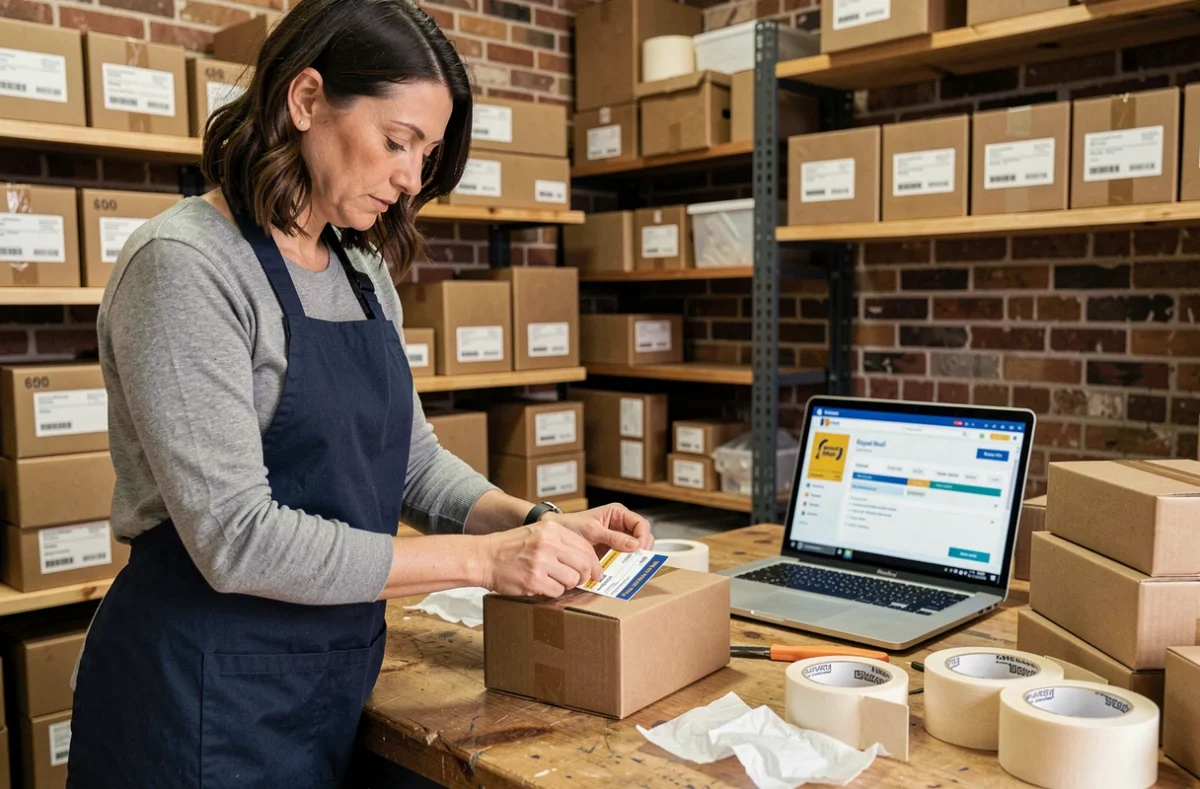
A seller shipping ten orders a day from a spare bedroom hits a different set of problems than the Royal Mail pricing page suggests. The parcel arrives late, the buyer opens a complaint, and suddenly the cheapest service turns out to be the most expensive one. For small businesses, choosing the right Royal Mail parcel delivery service is less about comparing headline rates and more about understanding what happens when things go wrong.
Royal Mail complaint handling and what it means for small business shipping
Ofcom has been pressing parcel firms to raise their game on customer complaints and delivery evidence, not just speed targets. That regulatory shift matters for anyone selling online, because it changes what “good service” actually looks like.
Related reading: Broadband switching: how One Touch Switch works in the UK
When a parcel goes missing or arrives damaged, the quality of tracking data determines whether a seller can resolve the dispute quickly or ends up absorbing the cost. Royal Mail Tracked 24 and Tracked 48 both provide end-to-end tracking with proof of delivery. Standard services without tracking leave sellers exposed to refund claims they cannot contest, because there is no delivery evidence to show the marketplace or the buyer.
For a business dispatching a few hundred parcels a month, even a small percentage of unresolved complaints adds up. Choosing a tracked Royal Mail service is not a luxury; it is a practical buffer against the cost of disputes.
You may also like: UK car servicing: choosing between a dealership and an independent garage
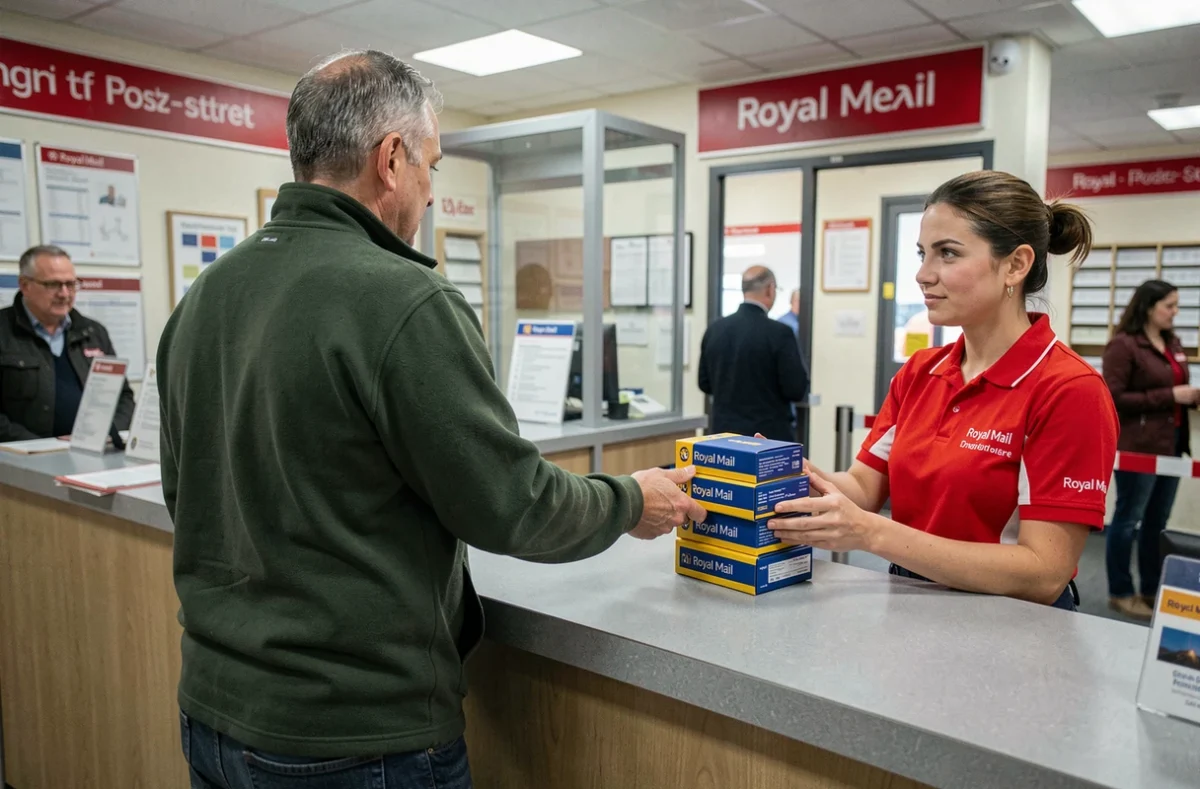
Parcel drop-off points: a growing Royal Mail network for small sellers
Royal Mail’s network of parcel points, including shops, lockers and parcel postboxes, has grown to around 30,000, up from 13,000 three years earlier. The company has also been upgrading postboxes to accept parcels.
That expansion changes the daily logistics for a small business. Instead of waiting for a collection driver or queuing at a Post Office branch during peak hours, sellers can drop parcels at a locker or parcel postbox outside normal business hours. During busy periods, that flexibility shaves time off the dispatch cycle.
- Parcel postboxes accept pre-paid items around the clock, which suits sellers who pack orders in the evening
- Locker networks let customers collect at their convenience, reducing failed first-delivery attempts that trigger re-delivery costs
- Shop-based parcel points offer a staffed handover, useful for items that need a receipt at the point of drop-off
More drop-off options reduce the gap between dispatch and first scan, which tightens the tracking timeline and gives both seller and buyer better visibility.
Royal Mail services compared: Tracked 24, Tracked 48, and Special Delivery
Most small businesses end up choosing between three core Royal Mail parcel delivery services. The differences go beyond speed.
| Service | Aim delivery | Tracking | Compensation cover | Best for |
|---|---|---|---|---|
| Tracked 24 | Next working day | Full, with proof of delivery | Included (standard cover) | Everyday orders where speed matters |
| Tracked 48 | Two to three working days | Full, with proof of delivery | Included (standard cover) | Non-urgent shipments, cost-sensitive sellers |
| Special Delivery Guaranteed | Next working day (guaranteed) | Full, with signature on delivery | Enhanced cover included | High-value or time-critical items |
Tracked 48 costs less per parcel than Tracked 24, and for many products the extra day makes no difference to customer satisfaction. Where it does matter is around seasonal peaks and promotional events, when Royal Mail’s operational network is under the most strain.
Published delivery targets are aims, not guarantees, except for Special Delivery Guaranteed. Small businesses shipping time-sensitive orders during November and December should treat the aimed timescales as best-case scenarios and plan accordingly.
Peak season surcharges and account pricing traps to watch
The price on Royal Mail’s public rate card is not always the price a business pays. Sellers with a business account may access negotiated rates, but those agreements can include surcharges during peak periods or for certain parcel dimensions that are not obvious at first glance.
Negotiated rates and peak surcharges can differ between accounts, so two businesses shipping similar volumes may end up paying different amounts for the same service in December. Relying on a headline tariff without checking your own account terms is a common and costly mistake.
A few things worth verifying before peak season arrives:
- Whether your account rate includes or excludes seasonal surcharges, and what triggers them
- How fuel or operational surcharges are passed through on your specific contract
- Whether volume commitments in your agreement carry penalties if you fall short or exceed them
- What the claims process looks like under your account terms versus the standard consumer process
Sellers who discover a surcharge only when the invoice lands in January have already lost the margin on those orders. Review your Royal Mail account terms before October, not after the peak has passed.
Contingency planning when Royal Mail delivery targets slip
Royal Mail’s operational performance and service levels continue to evolve, and published targets do not guarantee a particular outcome on any given day. For a small business, that uncertainty is manageable with a simple fallback plan.
Keeping a secondary courier option, even one used only for urgent re-sends, means a delayed Royal Mail parcel does not automatically become a refund. Click and Drop, Royal Mail’s online shipping tool, lets sellers print labels and manage dispatch in one place, but it does not lock you into a single carrier. Some sellers use it for the bulk of their shipments and switch to a same-day courier for the handful of orders that cannot wait.
A contingency courier costs less than a pattern of refunds. The goal is not to replace Royal Mail but to have a release valve for the orders where a missed delivery window means losing the customer entirely.
Small businesses that treat their Royal Mail parcel delivery choice as a fixed decision miss the point. The right service shifts with order value, season, and how much risk a seller can absorb on any single shipment. Checking account terms, monitoring live service updates, and keeping a backup option ready are not signs of distrust – they are basic operational discipline for anyone whose revenue depends on parcels arriving on time.