


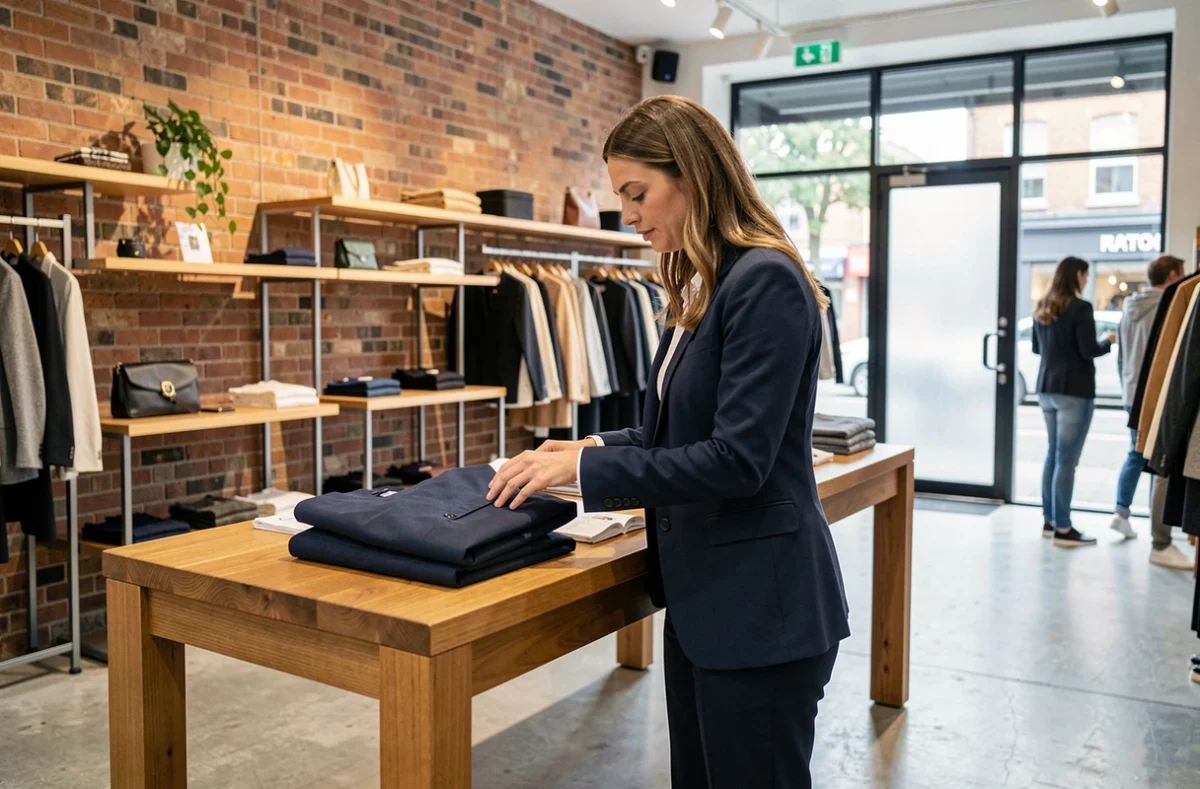
Most retail trend forecasts for 2026 centre on experience-led stores, AI personalisation and social commerce. These matter, but they sidestep a question that determines whether an independent shop can keep its doors open at all: how much it costs simply to stay compliant and staffed. This article measures the gap between the trends the industry talks about and the operational costs it tends to gloss over.
Compliance and staffing costs facing UK high street retailers in 2026
| Cost pressure | Who it affects | Status (October 2026) |
|---|---|---|
| Employer National Insurance | All employers; proposed reduction for younger workers | Recommendation stage, not yet enacted |
| Packaging Extended Producer Responsibility | Businesses that import, supply or sell packaged goods | Reporting duties active; scheme details still under review |
| National Living Wage increases | All retail staff, especially shop-floor roles | In force, annual uplift confirmed |
| Business rates multipliers | High street premises, particularly larger units | Subject to annual government announcements |
The table above groups the charges that rarely feature in trend roundups, yet each one lands directly on a retailer’s monthly outgoings. Packaging EPR rules, for instance, now require qualifying businesses to report packaging data and contribute to waste-management costs. Smaller firms may also carry reporting duties, which means even a single-site shop selling packaged goods faces new administrative overhead.
You may also like: UK minimum wage increases and the cost of hiring in 2026
The packaging regime is still being adjusted rather than settled. That uncertainty forces independent retailers to budget for compliance without knowing the final scope of their obligations.
Meanwhile, staffing costs have become a distinct pressure on shop-floor operations. Rising wages are only part of the picture. Workforce scheduling, pension auto-enrolment contributions, and the administrative burden of tracking hours all add up. For a high street business running on thin margins, workforce productivity is now a more immediate concern than general labour shortages.
Further reading: UK business rates changes in 2026 and what they mean for high street firms
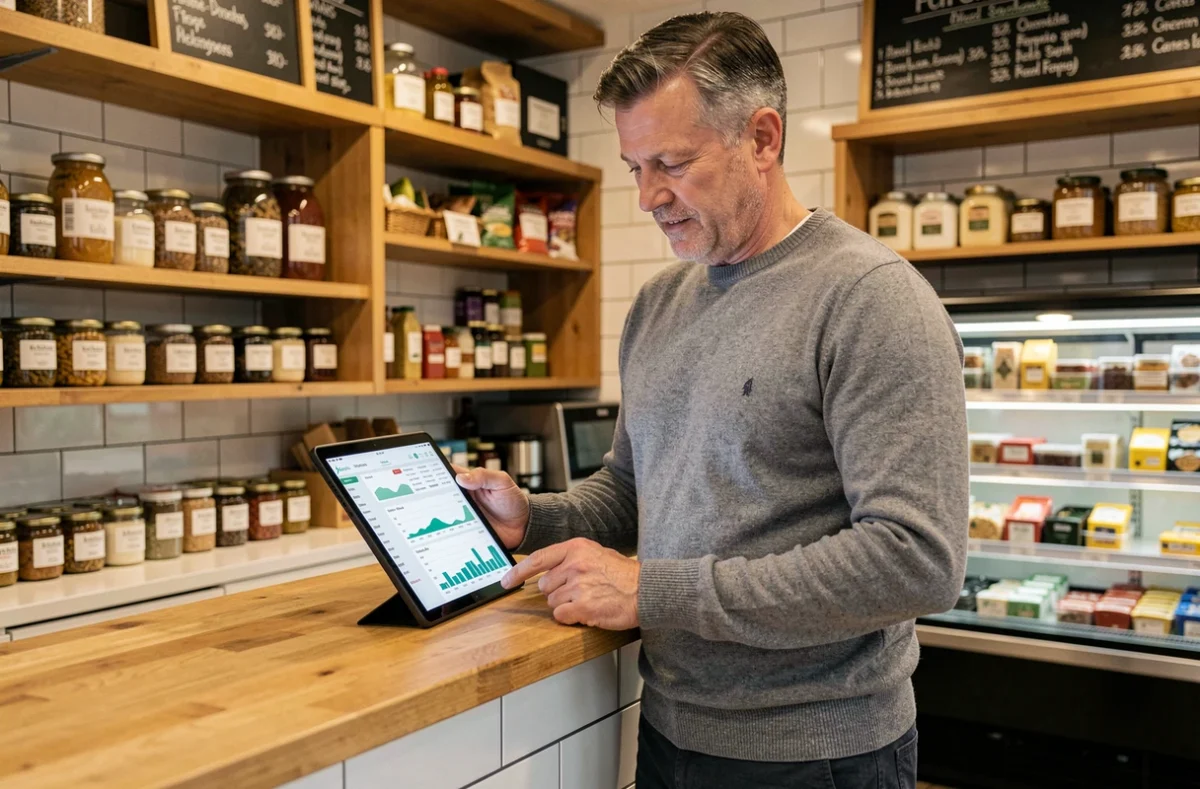
Employer National Insurance and the retail workforce
A proposed employer National Insurance change targeting younger workers has attracted attention from retail and hospitality groups. The logic is straightforward: reduce the cost of hiring entry-level staff, and high street businesses can afford to keep more people on the shop floor.
This recommendation is not yet policy. Retailers should treat it as a signal of direction rather than a confirmed saving. The distinction matters because hiring decisions made now on the assumption of a future NI cut could backfire if the measure stalls or arrives in a diluted form.
Combined with rising minimum wages, the real cost of each shop-floor hour has climbed faster than most footfall or revenue metrics. That gap between staff cost growth and sales growth is the number independent retailers watch most closely, even if it rarely appears in trend reports.
High street business rates and the 2027-28 multipliers
For high street operators, business rates multipliers determine the actual tax bill on a premises, and even a small change compounds quickly across a lease term.
Trend pieces often mention business rates in passing, framing them as a known headache. The more useful detail is structural:
- Multipliers are set centrally but hit unevenly, penalising shops in areas where rateable values have not been reassessed to reflect lower footfall
- Mixed-use high streets (combining retail, food, services and workspace) may see different multiplier treatments depending on how premises are classified
- Independent retailers lack the negotiating leverage of national chains, which can offset rates through turnover-based rent deals with landlords
A single-site retailer pays the same rate per square metre as a chain store in the same parade, but without the buying power, logistics savings or brand recognition to absorb it. This asymmetry explains why vacancy rates remain stubbornly high even as footfall stabilises.
UK retail trends 2026: experience and technology through a cost lens
None of this means the widely discussed trends are irrelevant. Smaller up-and-coming brands are changing the face of the high street, as Savills noted in its occupational trends for 2026. Social media-driven “hype retail”, wellness concepts and international brand expansion are all visible on prime pitches.
The gap is in who can afford to participate. A curated, experience-led store requires fit-out investment, trained staff, and often a digital layer (click-and-collect, local delivery, social content). Each of those layers adds cost before it adds revenue.
Consider the basics an independent retailer must now fund just to open each morning:
- Wages and employer NI at current rates, with no confirmed relief for younger hires
- Packaging data reporting if they sell any packaged goods, with scheme rules still shifting
- Business rates calculated on multipliers that may not reflect actual trading conditions
- Digital presence maintenance (website, social accounts, delivery platform commissions)
The cost of simply remaining open now absorbs a larger share of turnover than it did three years ago. Technology adoption, store redesign and experiential retail are layered on top of this baseline, not instead of it.
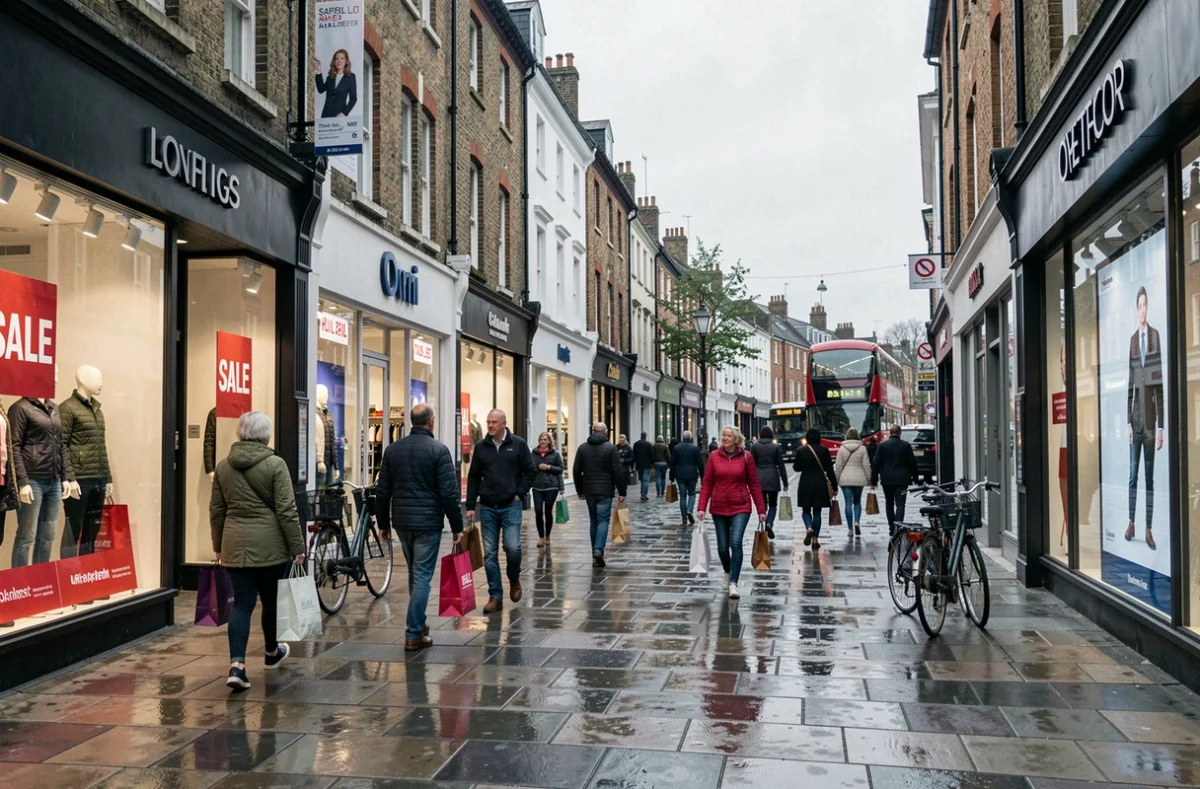
What the data tells independent retailers to prioritise
Compliance before experience
Packaging EPR reporting, payroll obligations and rates liabilities carry penalties for non-compliance. A missed packaging data submission or a payroll error costs more than a delayed store refurbishment. For businesses with limited back-office capacity, regulatory compliance should sit above trend adoption in the priority stack.
Staffing models before headcount
Rather than hiring more people to deliver a richer in-store experience, the data points toward making existing hours more productive. Scheduling tools, cross-training and flexible contracts reduce the per-hour cost of labour without cutting service quality. The proposed employer NI adjustment for younger workers may eventually help, but planning around unconfirmed policy is risky.
Selective trend adoption
Not every 2026 trend suits every location or customer base. A shop in a market town with stable local footfall gains little from investing in social-media hype cycles. Matching trend investment to actual local demand avoids the trap of spending to look current while margins erode.
The retail trends shaping UK high streets in 2026 are real, but they describe what successful retailers look like from the outside. From the inside, the picture starts with compliance costs, staffing arithmetic and rates bills. The shops that survive this period will be the ones that got the operational maths right first, then layered on the trends they could genuinely afford.




